
HIV 101: What you need to know
Learning about HIV can seem overwhelming but don’t worry, we’re here to break it down for you.
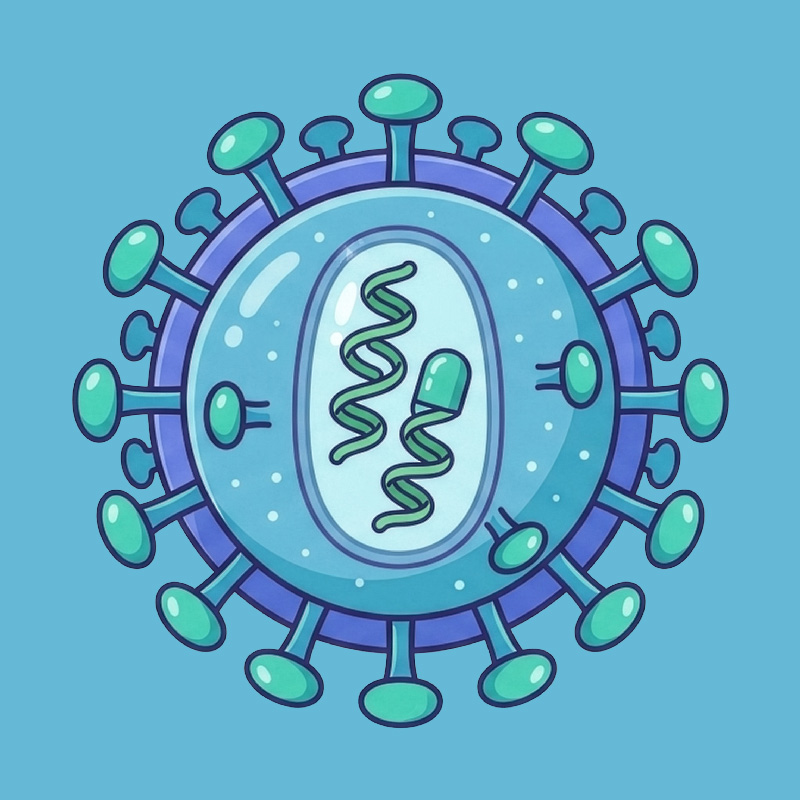
What is HIV?
HIV, which stands for Human Immunodeficiency Virus, is a virus that affects the immune system, making it harder for the body to fight off everyday infections.
Who does HIV affect?
HIV does not discriminate. It can affect anyone, of any age, gender, sexuality or ethnicity.
Can it be treated?
Yes. HIV treatment has come a long way, with many people taking just one pill once a day – which keeps them healthy and stops them passing the virus on to others.
How is HIV transmitted?
HIV can be transmitted in a number of ways. The virus can be present in blood, semen (including precum), anal and vaginal mucosa, and breast milk.
① Sexual contact
HIV can be passed on from someone living with HIV who is not on active and effective HIV treatment.
This can be prevented by the use of condoms, PrEP, PEP and if one partner is living with HIV by starting effective HIV treatment.
② Sharing injecting equipment
Sharing equipment like needles, syringes, and filters, can pass on HIV. This can happen because used equipment can contain blood from the previous user.
This can be prevented by always using new, clean, equipment.
③ Vertical Transmission
If a mother is living with HIV, and not on active and effective HIV treatment, there is a risk of the virus being passed on to the child.
The good news is that this can almost entirely be prevented by getting tested during prenatal care and if necessary started treatment.
④ Contaminated blood products
Although a very uncommon transmission route in the UK, contaminated or untested blood products may be used during medical procedures. This can present a transmission risk.
How can I protect myself and others?
Taking care of your health is not a one-size-fits-all situation.There are multiple ways to look after yourself and your partners. You may want to combined different methods to create a personal “toolkit” that feels right for you, your circumstances and your body.
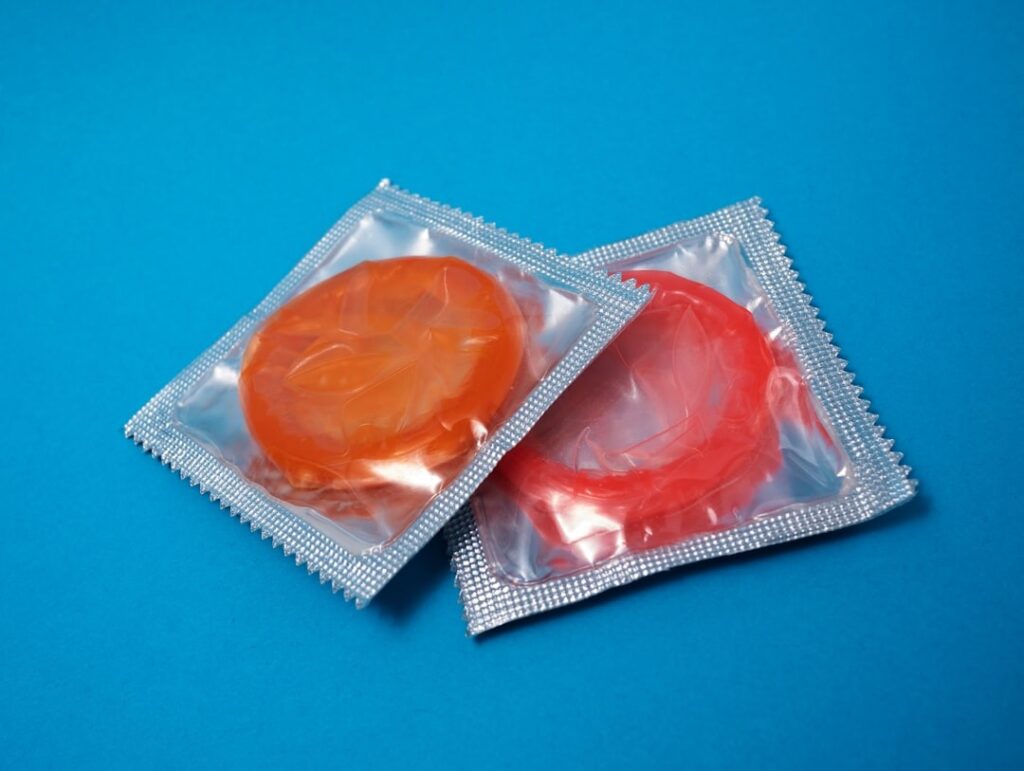
Barrier protection
Condoms and femidoms provide excellent protection against a wide range of sexually transmitted infections.
Pre-Exposure Prophylaxis (PrEP)
Regular tablets, or injections, taken by people living with HIV to prevent themselves from acquiring HIV.
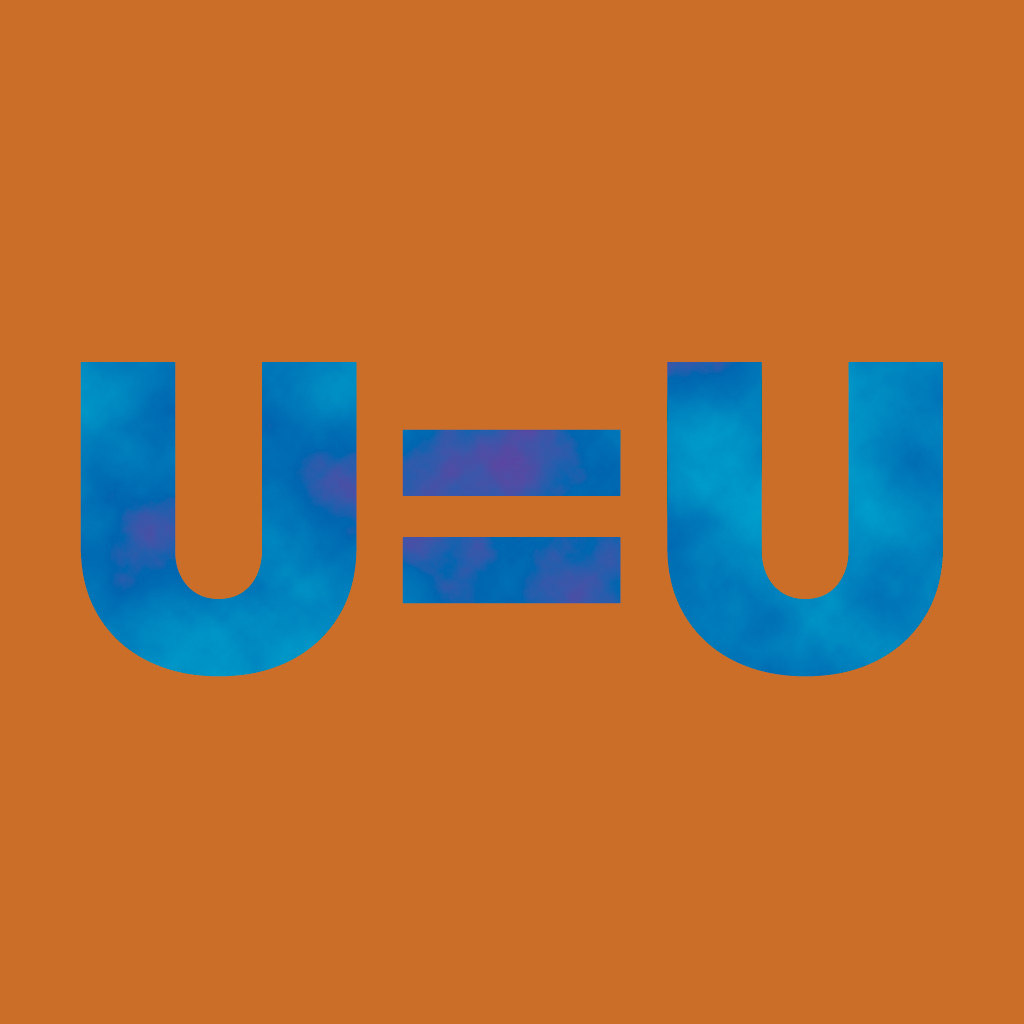
Treatment as prevention or U=U
When a person with HIV is taking treatment this suppresses the virus to a low level. It means that that person can no longer pass on HIV via sexual contact.

Post-Exposure Prophylaxis (PEP)
A course tablets you take after a possible exposure to HIV to stop an infection from taking hold. It needs to be started as soon as possible (no later than 72 hours).