
Hepatitis C (HCV): Let’s clear things up
Hepatitis C can sound scary, but we’re here to make things clear and simple so you can look after your own health.
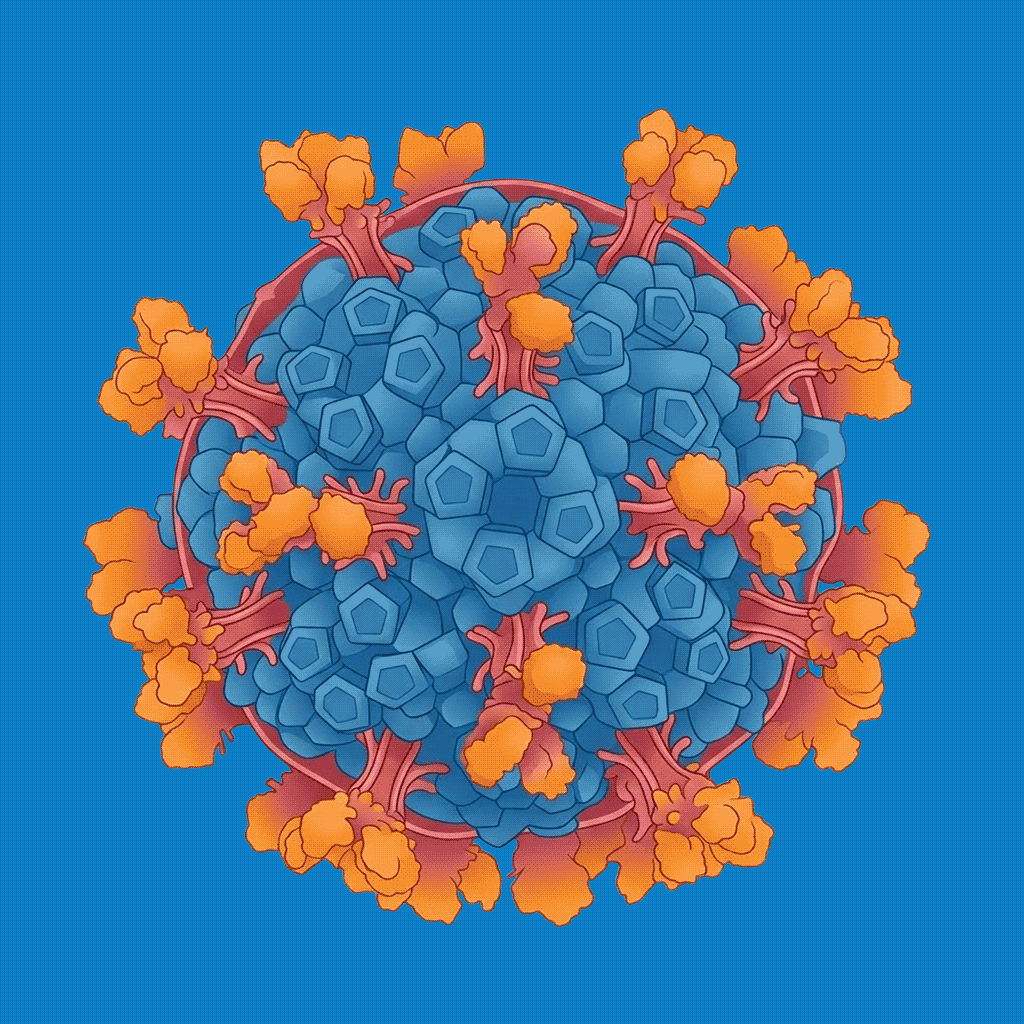
What is Hepatitis C?
Hepatitis C is a viral liver infection spread through blood contact. The virus causes scarring to the liver and reduces its ability to filter your blood.
Today’s treatments are super effective though, and in most cases can clear your body of the virus.
Who does Hepatitis C affect?
HCV does not discriminate. It can affect anyone, of any age, gender, sexuality or ethnicity.
Can it be cured?
Yes! The good news is that HCV is now very treatable, with modern antiretrovirals we’re seeing cure rates of 95% or above.
How is Hepatitis C transmitted?
Hepatitis C is a blood-borne virus, transmitted primarily through contact with infected blood. Let’s have a look at some of the most common transmission routes:
① Sharing injecting equipment
Sharing equipment like needles, syringes, and filters, can pass on HCV. This can happen because used equipment can contain blood from the previous user.
This can be prevented by always using new, clean, equipment.
② Vertical transmission
The risk of passing on HCV to an unborn child, or during childbirth, is lower than for other blood-borne viruses, but is still one that should be monitored and managed.
Testing before, and during, pregnancy can help medical teams reduce risk factors – and the good news is that HCV cannot be transmitted by breast feeding.
③ Contaminated blood products and equipment
Whilst modern blood products are screened for HCV this wasn’t always the case, and in some countries screening is still lacking. If you’ve had a blood transfusion overseas you might want to consider getting tested.
Sharing of personal items that come in contact with blood, like razors and barbering equipment, can also present a chance of transmission.
④ Sexual contact
The likelihood of transmitting HCV through sexual contact is extremely low, this is because it’s a blood-borne virus and doesn’t transmit easily via sexual fluids.
That said, whilst the risk is low, there is still a small risk. This can be mitigated by the use of barrier protection, like condoms, and once someone living with HCV has been cured it can no longer be passed on.
How can I protect myself and others?
Taking care of your health is not a one-size-fits-all situation.There are multiple ways to look after yourself and your partners. You may want to combined different methods to create a personal “toolkit” that feels right for you, your circumstances and your body.
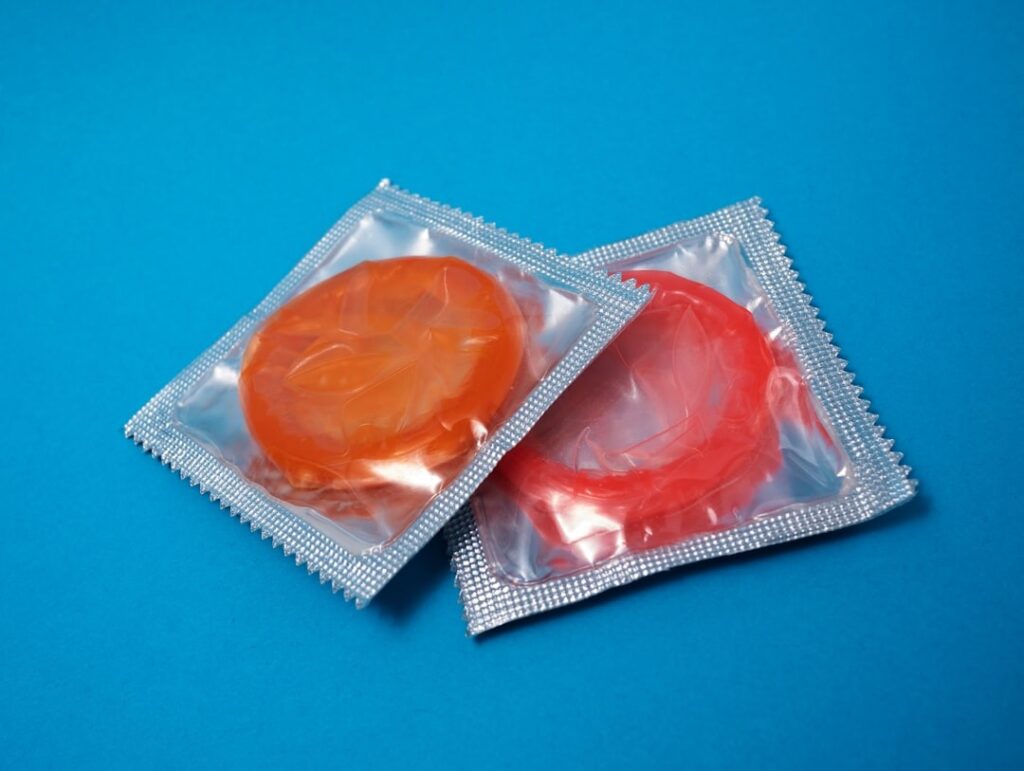
Barrier protection
Condoms and femidoms provide excellent protection against not just Hepatitis C but HIV and other STIs too.

Testing and Talking
By testing regularly, and talking to sexual partners about sexual health, you can help each other stay healthy.
How is Hepatitis C treated?
The good news is that Hepatitis C has never been easier to treat and to cure.
Modern treatment can be as simple as a course of pills taken over eight to twelve weeks – and with a cure rate of over 95% you can expect to make a full recovery.
① Clinic appointments
Once you’ve received a HCV diagnosis you will be referred to a specialist liver clinic or Hepatitis clinic.
This clinic will conduct blood tests to check the levels of virus in your blood, and sometimes a fibroscan (a type of ultrasound) to check the health of your liver.
The team may also suggest other tests to check for co-infections, such as HIV.
② Wait and watch or start treatment
There are two stages of Hepatitis C.
‘Acute Hepatitis C’ means that you’ve had the infection for less than six months. In this case your clinic may suggest a ‘watch and wait’ approach. 1 in 5 people will naturally clear their own body of HCV without the need for treatment.
‘Chronic Hepatitis C’ means that you’ve been living with HCV for over six months. In this case the clinic would likely suggest moving onto active treatment.
③ Treating Hepatitis C
We have a few different medications we can use to treat and cure HCV. These are known as Directly Acting Antiretrovirals (or DAAs).
Most of these DAAs are one or three pills, taken once a day – for between eight to twelve weeks.
You may have to give blood samples occasionally during treatment to ensure that it’s going well.
④ Confirmation
A series of samples will be taken at the end of your course of treatment, this will then be repeated after a further twelve weeks to confirm that your treatment was successful.
As long as both tests are negative for HCV we will tell you that you’re cured, and can no longer pass the virus on to others.