
What is a Sexually Transmitted Infection (STI)?
STIs are infections, passed on by sexual or close body contact, that can be viral, bacterial, or even caused by yeasts.
The good news is that modern testing is now quick and discreet – and since most are easily treated or managed, a simple check-up is all it takes to stay on top of your health.
Chlamydia
Chlamydia is a common bacterial infection that often has no symptoms. It usually affects the genitals or throat and is easily shared through condomless sex.
Gonorrhoea
Gonorrhea is a common bacterial infection that often targets the genitals, throat, or eyes. It can cause a burning sensation and/or discharge, though many people have no symptoms at all.

Syphilis
Syphilis is a bacterial infection spread via direct contact with painless sores during sex. It progresses through stages, potentially affecting the heart and brain if it remains hidden and unchecked.
HPV and Genital Warts
Genital warts are skin-coloured bumps caused by certain HPV strains. The virus spreads through skin-to-skin contact, though many people carry it naturally without ever showing any symptoms. Some strains can lead to certain cancers.
Molluscum
Molluscum is a viral infection causing small, firm, raised bumps on the skin. Spread through skin-to-skin contact or shared items, it usually clears up on its own without long-term health issues.
Lymphogranuloma venereum (LGV)
LGV is a more serious strain of chlamydia – it is spread through condomless sex. LGV moves into the lymph nodes, often causing firm swelling in the groin, rectal soreness, or small, temporary skin sores.
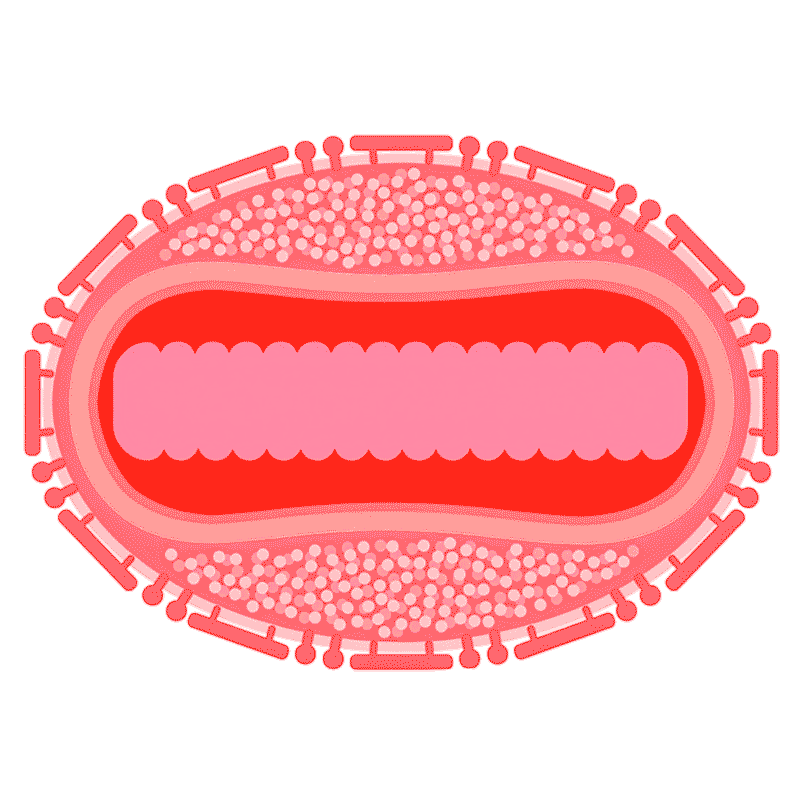
Mpox
Mpox spreads through close physical contact or shared linens. It can cause a flu-like feeling followed by a distinct rash or lesions, which can appear on the face, hands, or genitals.
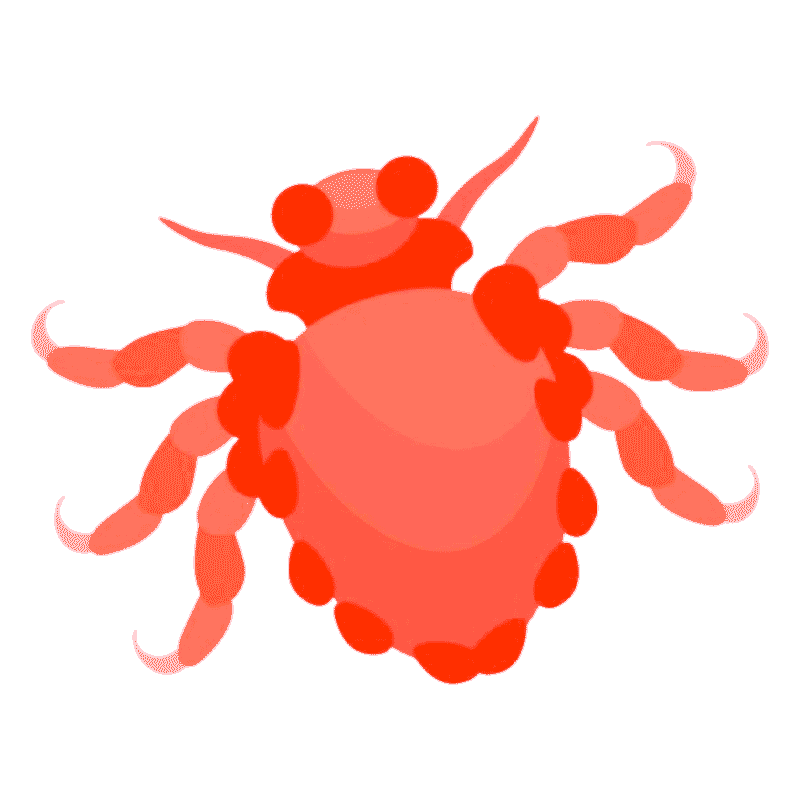
Pubic Lice
Pubic lice are tiny insects that live in coarse body hair. They spread through close physical contact or shared bedding – causing itching and irritated skin.
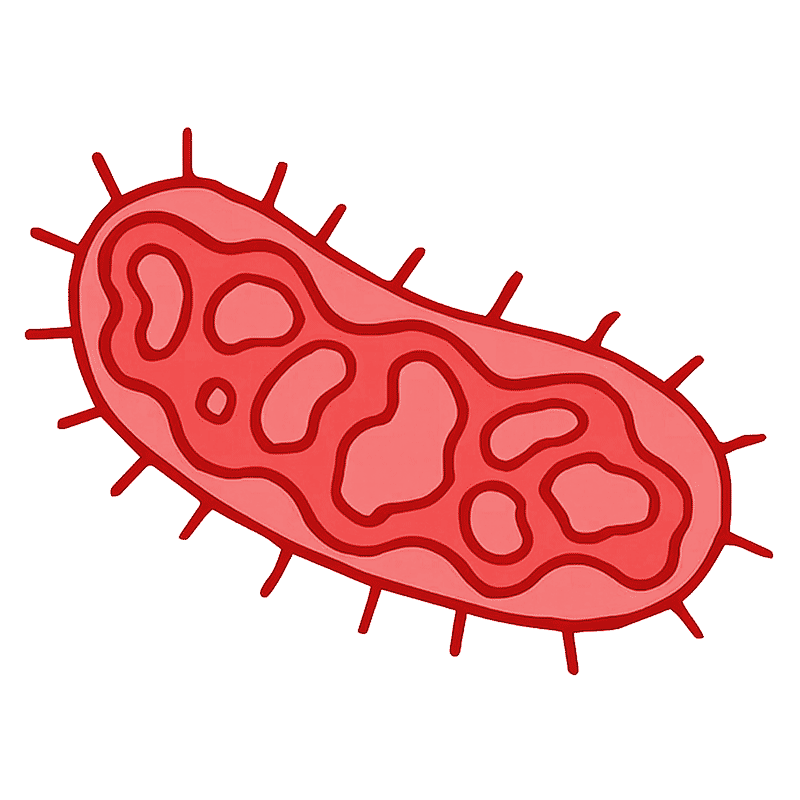
Shigella
Shigella is a bacterial infection that causes symptoms like frequent diarrhoea, stomach cramps, and fever. It is transmitted when bacteria from stool enter the mouth, often through oral-anal contact or contaminated hands and objects during intimacy.
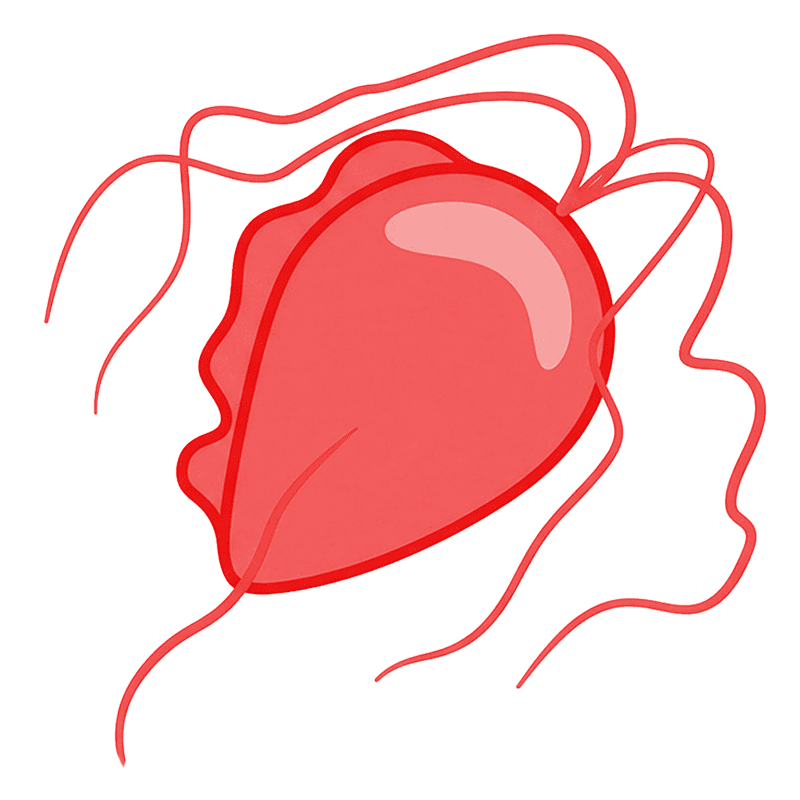
Trichomonas (Trich)
Trichomoniasis is a common STI caused by a tiny parasite. Spread through genital skin-to-skin contact or shared fluids. Symptoms typically include itching, redness, or an unusual discharge. Though some people may have no symptoms at all.
How can I protect myself and others?
Taking care of your health is not a one-size-fits-all situation.There are multiple ways to look after yourself and your partners. You may want to combined different methods to create a personal “toolkit” that feels right for you, your circumstances and your body.

Barrier protection
Condoms and femidoms provide excellent protection against not just HIV but other STIs too.
Testing
Regular testing helps you stay in control of your own health, and allows you to make informed choices – and early testing makes treatment easier.
Vaccination
Vaccination is available for many STIs, including mpox and HPV. Speak to your sexual health service to see what’s available to you.

Conversation
One of the most important things you can do is to talk to your partners. Share your latest results, respectfully ask questions and share and concerns you might have.
Let’s get tested.
You can test for HIV, Hepatitis and STIs in a number of different ways. It’s all about what is most convenient for you.

Postal testing & sampling
Tests that come to you! Find out about which services operate in your area.

Sexual health clinics
Specialists clinics that offer a range of services. Let’s find the closest one to you.

Via your GP
Your GP surgery may able to provide testing for a number of BBVs and STIs. Contact them to see what they offer.

Opt-out testing
Many hospitals now test for BBVs (such as HIV and Hepatitis) as standard when they take bloods.