
Hepatitis B (HBV): What you need to know
Hepatitis B (HBV) is more common than you might think, but it’s both preventable and treatable. Keep reading to find out more.
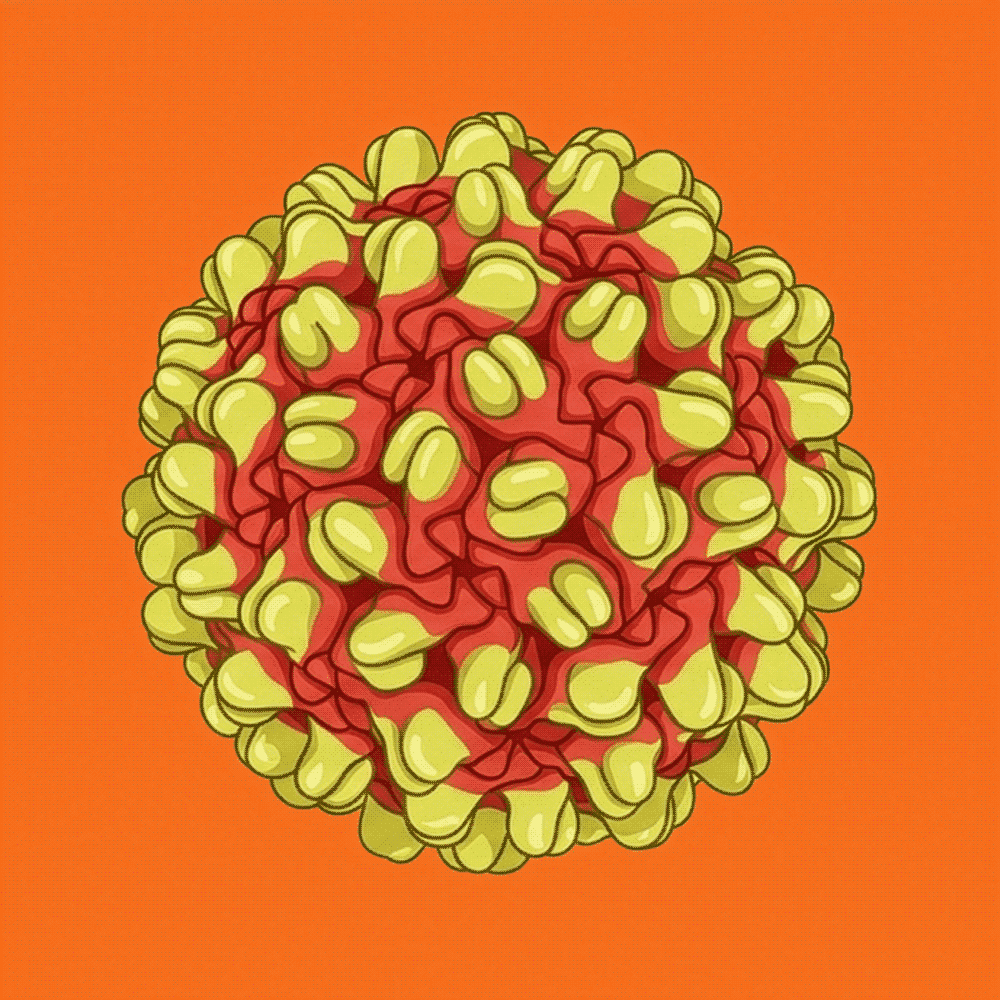
What is Hepatitis B?
Hepatitis B is a liver infection caused by a virus. Whilst not currently curable, it is treatable, and vaccination offers excellent, long-lived protection.
Who does Hepatitis B affect?
Hepatitis B does not discriminate. It can affect anyone, of any age, gender, sexuality or ethnicity.
Can it be treated?
Yes! We have highly effective antiviral medications that work wonders to keep the virus under control, protecting your liver – and allowing you to live a long, healthy life.
How is Hepatitis B transmitted?
Hepatitis B can be transmitted in a number of ways. The virus can be present in blood, semen (including precum), as well as anal and vaginal mucosa.
① Sexual contact
Hepatitis B can be passed on from someone living with virus to their sexual partners.
The same medication that is used to treat the virus can also help reduce, but not eliminate, the risk of transmission.
Condoms and vaccinations can help prevent HBV transmission.
② Sharing injecting equipment
Sharing equipment like needles, syringes, and filters, can pass on Hepatitis B. This can happen because used equipment can contain blood from the previous user.
This can be prevented by always using new, clean, equipment.
③ Vertical Transmission
Hepatitis B can be passed on to a baby during pregnancy and child birth.
The risk of this can be reduced by the pregnant person starting treatment for HBV, and a series of vaccinations for the baby once they are born.
④ Contaminated blood products and equipment
Whilst not a common route of transmission in the UK, in some parts of the world people may be exposed to Hepatitis B through contaminated blood products and equipment such as needles, tattoo guns and razors.
How can I protect myself and others?
Taking care of your health is not a one-size-fits-all situation.There are multiple ways to look after yourself and your partners. You may want to combined different methods to create a personal “toolkit” that feels right for you, your circumstances and your body.
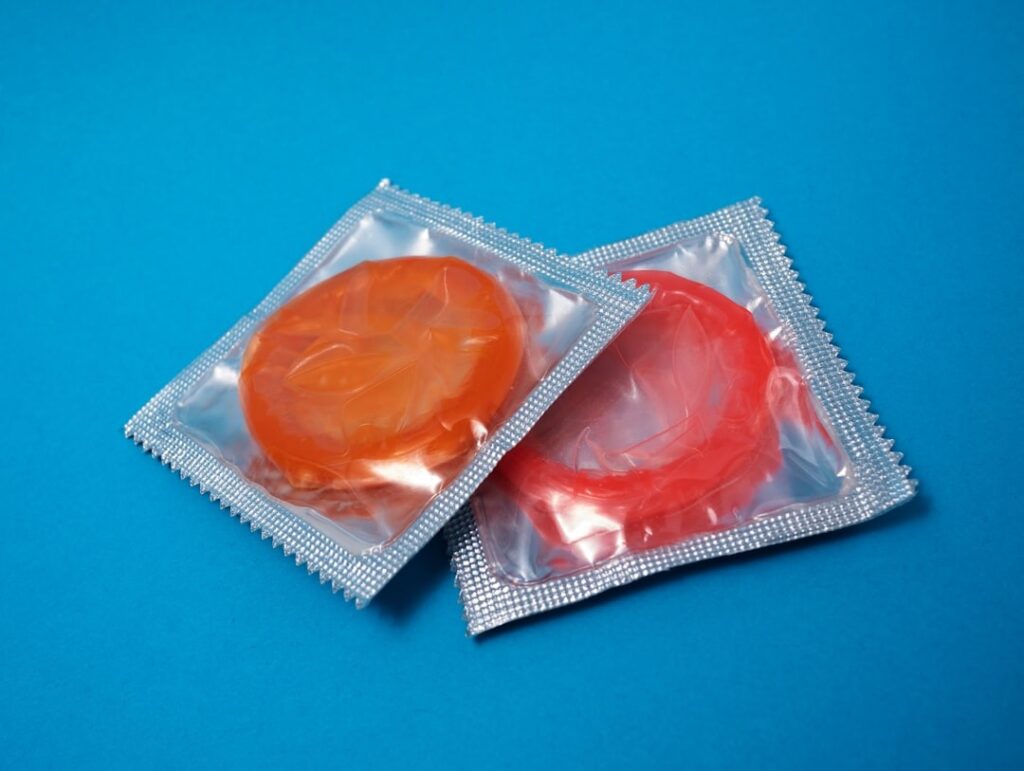
Barrier protection
Condoms and femidoms provide excellent protection against not just HBV but HIV and other STIs too.
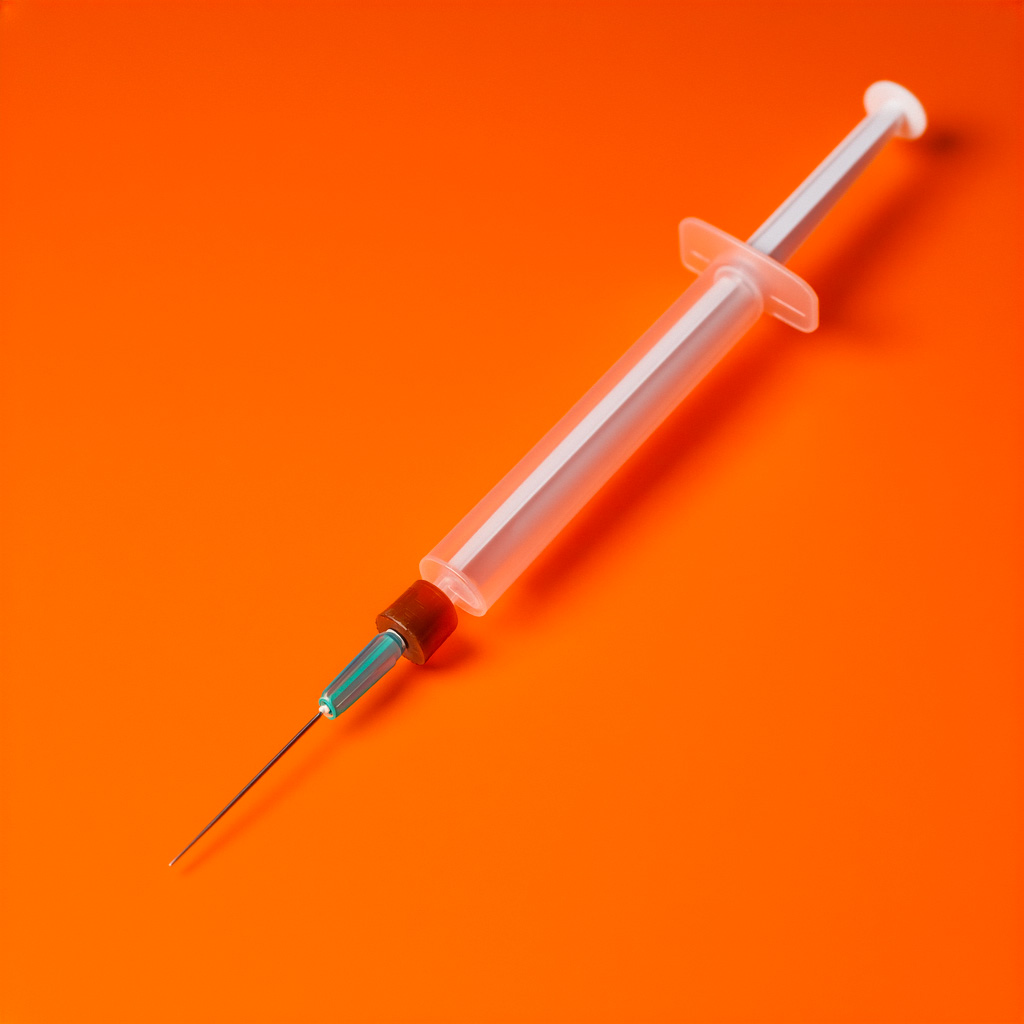
Vaccination
It’s free and easy to get vaccinated for HBV in the UK. This will give you long-lived protection against the virus.
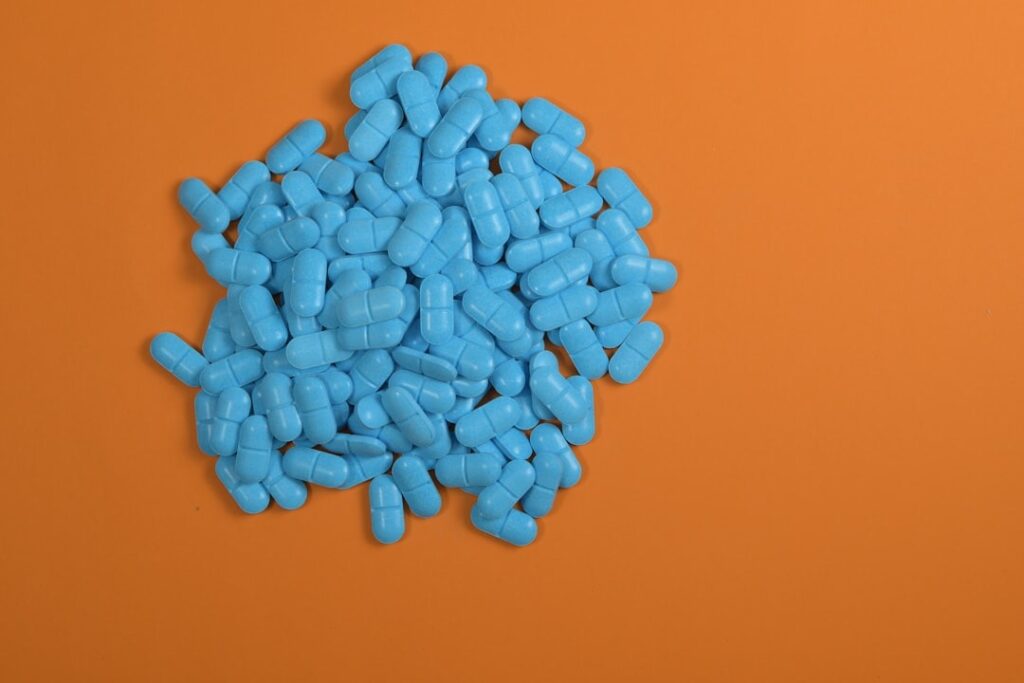
Starting treatment
Treatment can help protect your liver and keep you healthy for many years to come.

Post-Exposure Prophylaxis (PEP)
A course tablets you take after a possible exposure to HBV to stop an infection from taking hold. It needs to be started as soon as possible (no later than 48 hours).
How is Hepatitis B treated?
Whilst Hepatitis B is not yet curable, it is treatable with just a few tablets each day. Let’s have a look at what HBV care looks like.
① Visiting the clinic for monitoring
Once you’ve been diagnosed with Hepatitis B you will be placed under the care of a liver clinic or specialist hepatitis clinic. The team will monitor the level of virus in your blood and other health markers to check how well you’re doing.
② Ongoing medication
Your clinical team will work with you to find the right treatment and schedule to suit you. This is usually one pill once a day, but this may change based on your personal circumstances.
You can talk to your clinic about any medication concerns, as well as medication interactions, you might have.